Seacole Building, Birmingham City University
Birmingham, United Kingdom
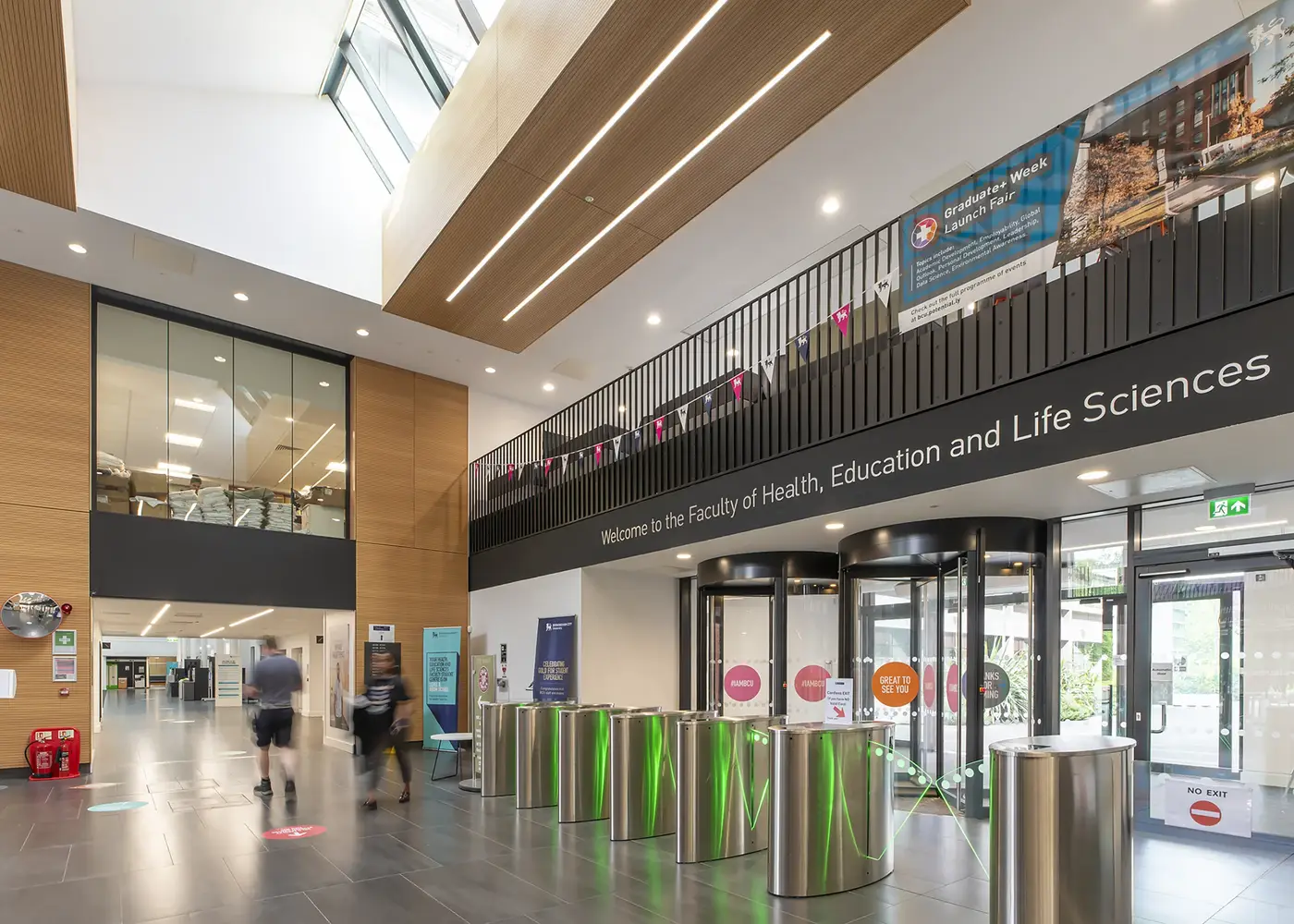
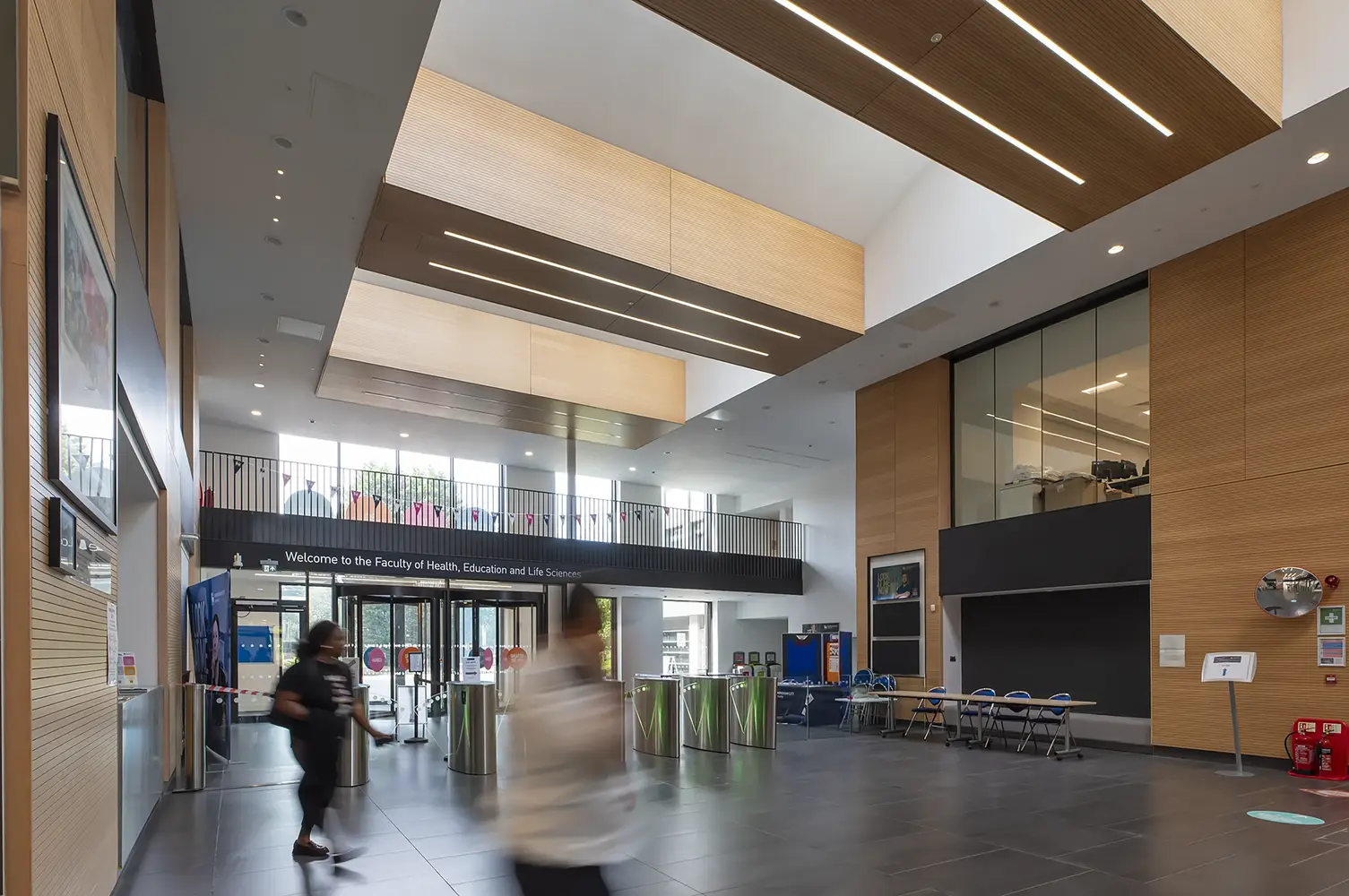
The Seacole Building is home to Birmingham City University’s Faculty of Health, Education and Life Sciences.
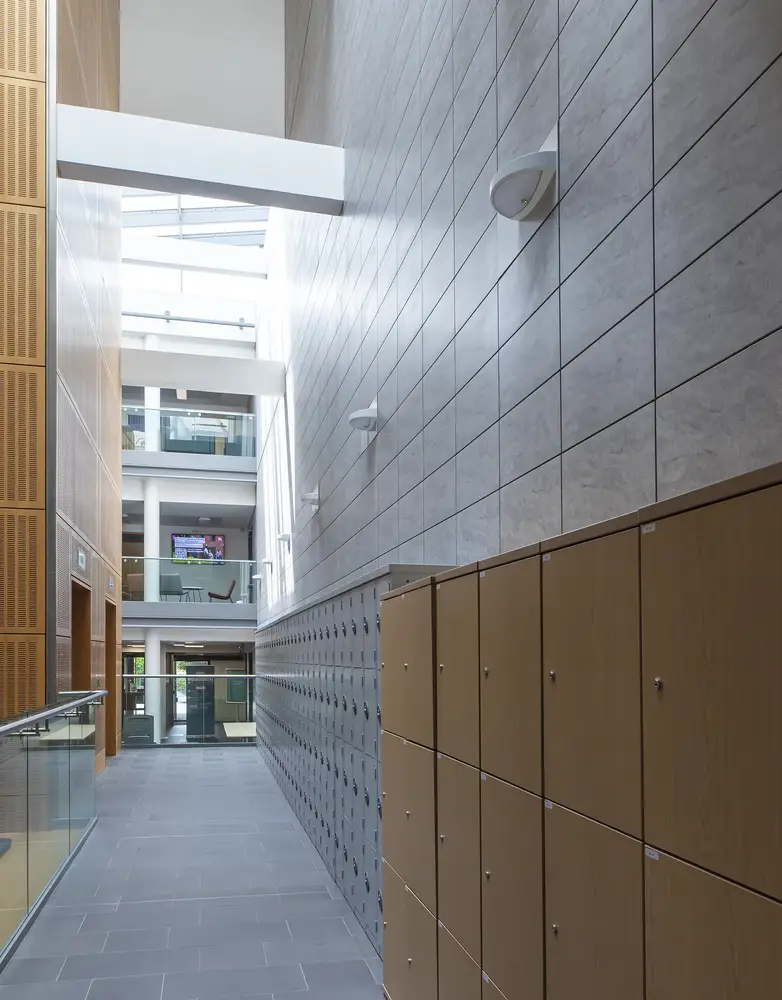
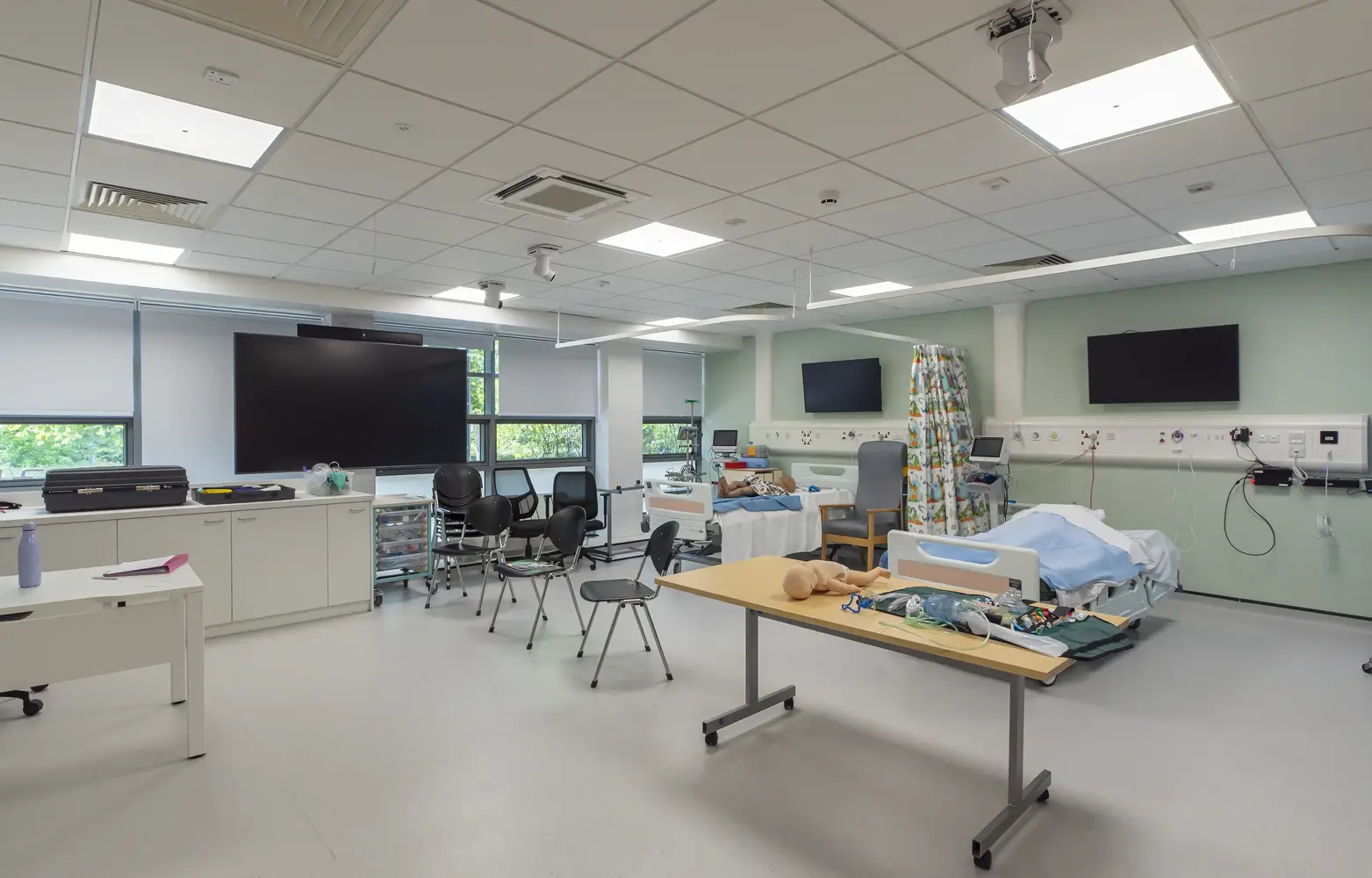
The facility, located on the University’s Edgbaston campus, has been expanded in recent years with a £41 million investment to enhance BCU’s health and teaching facilities. The Seacole building now houses cutting-edge facilities, including a mock hospital ward, science labs, sports therapy facilities, a gym and more.
Applications Covered:
The Challenge
Thorlux Lighting is proud to have supplied luminaires for the Seacole Building over many years, continuing a long-standing and successful relationship with Birmingham City University. As part of the University’s long-term decarbonisation plan – which includes switching gas boilers for heat pumps, reducing water consumption, and supporting local biodiversity among other tactics – Thorlux was asked to modernise the lighting system throughout the building to ensure energy efficiency.
The Solution
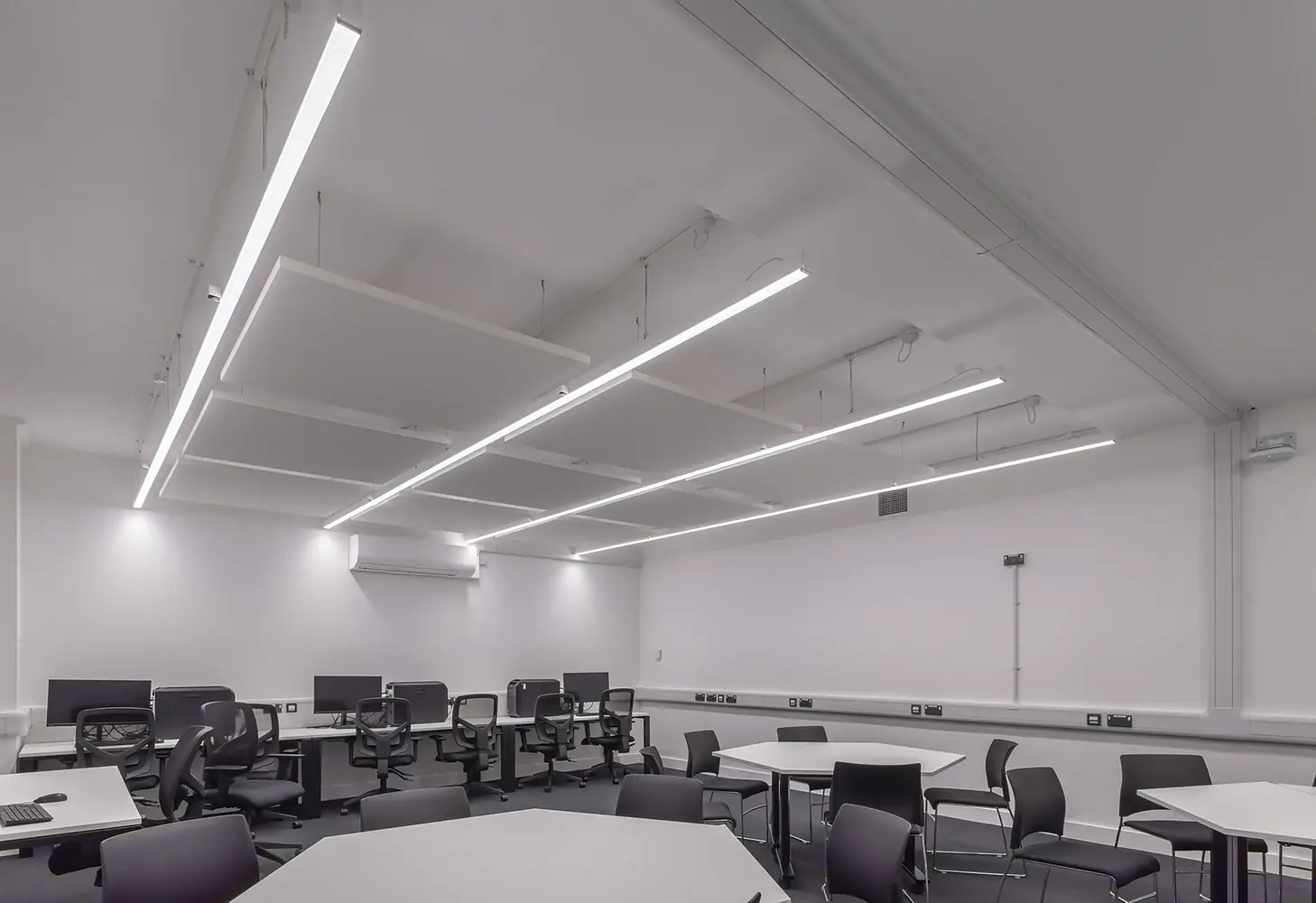
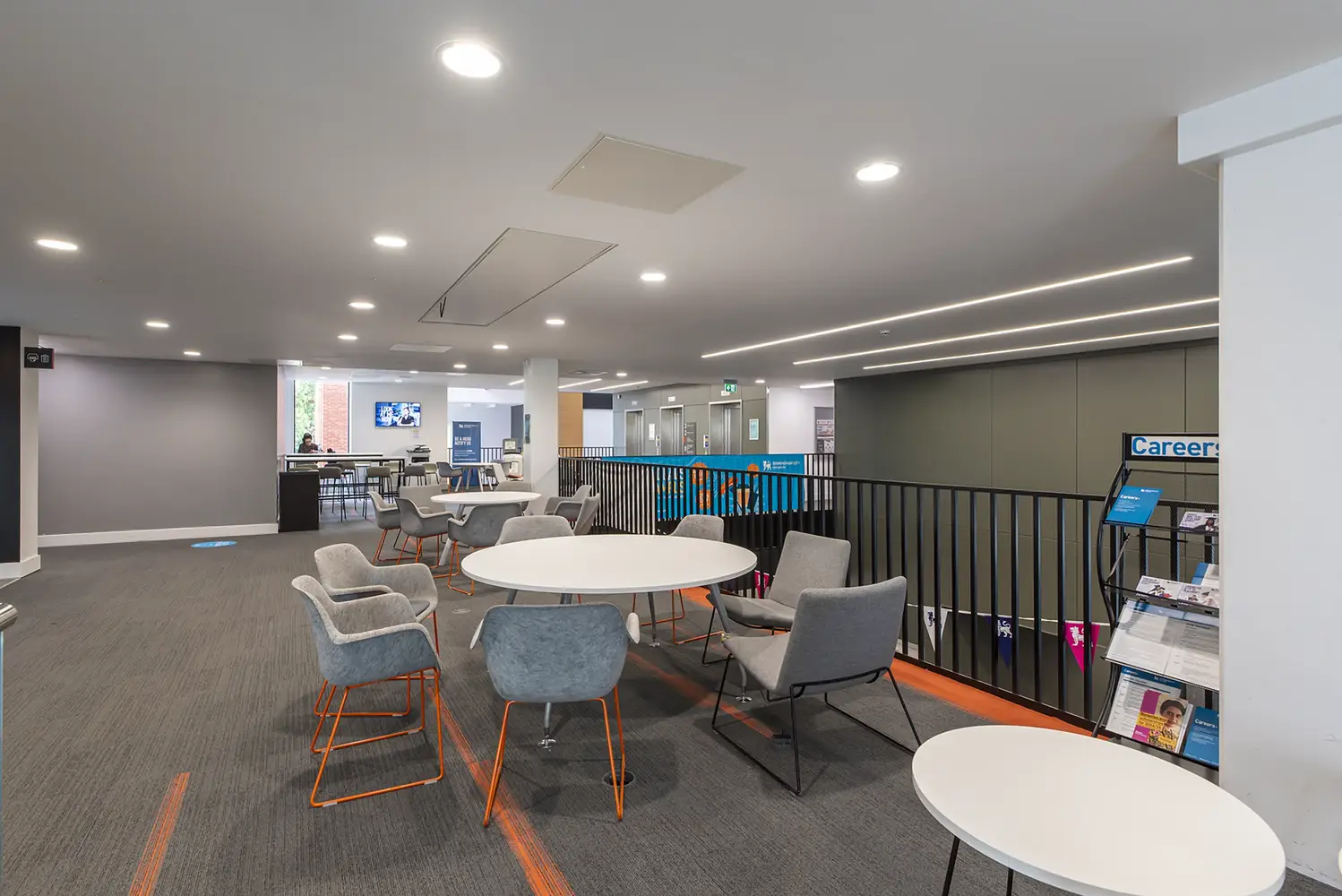
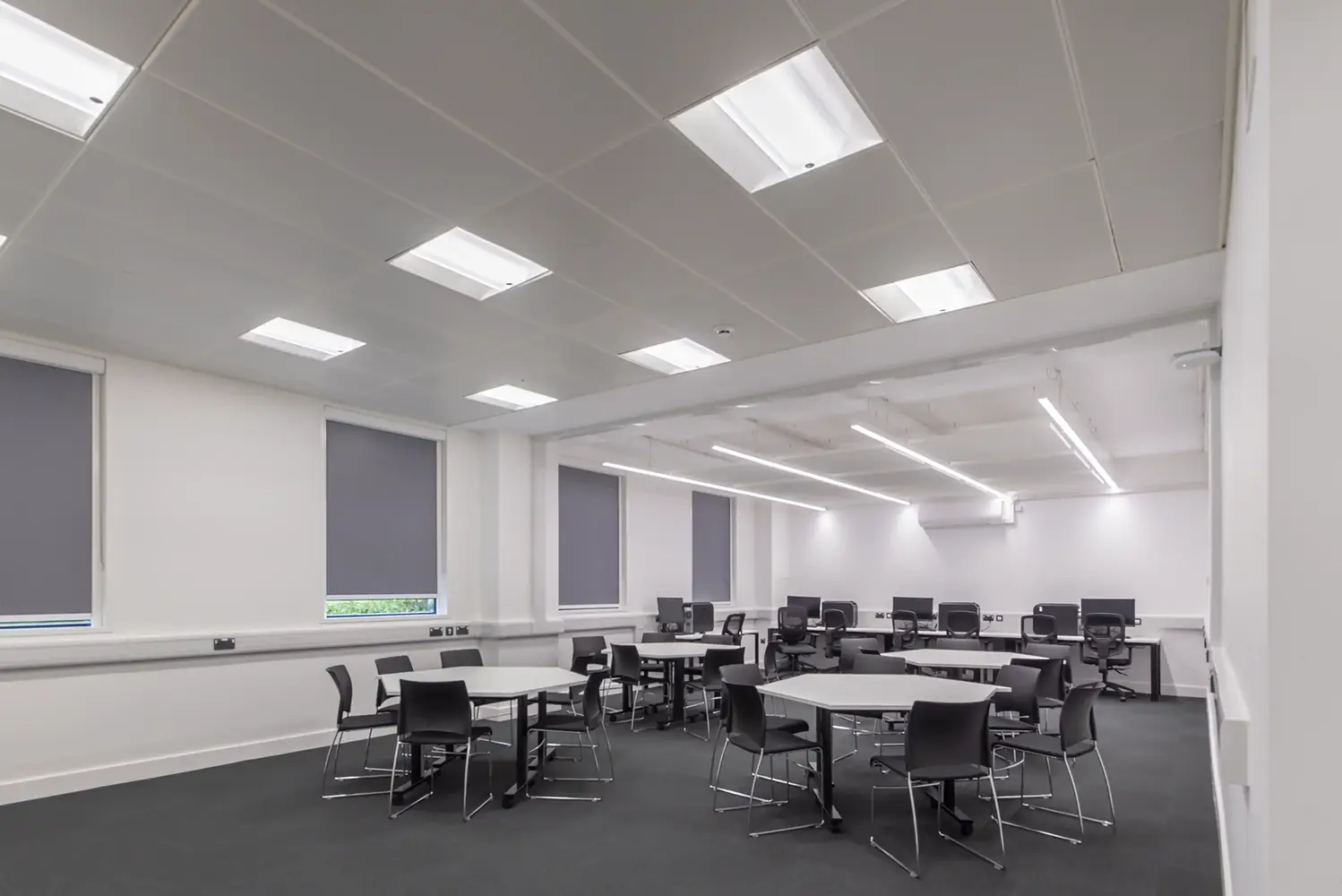
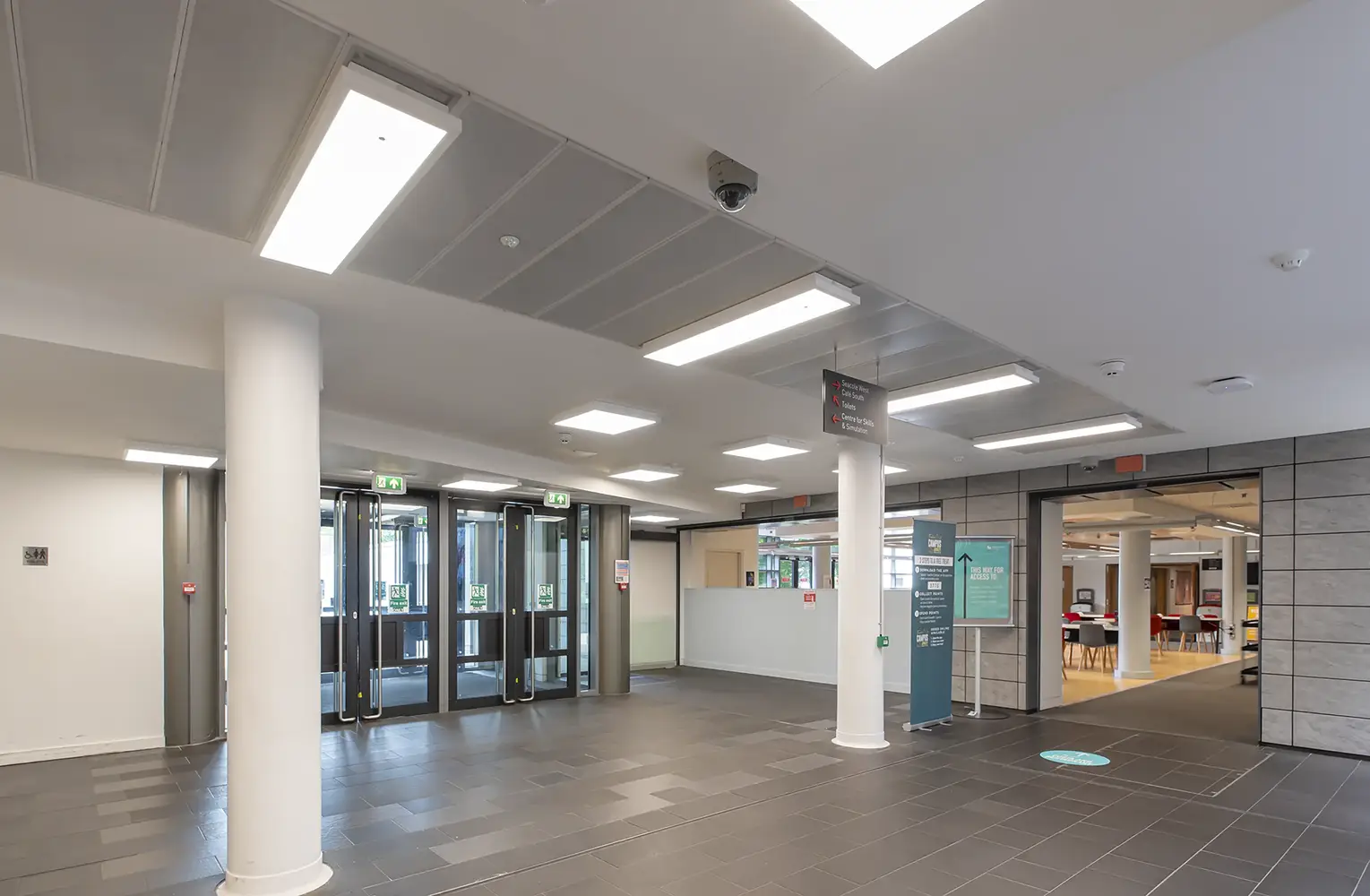
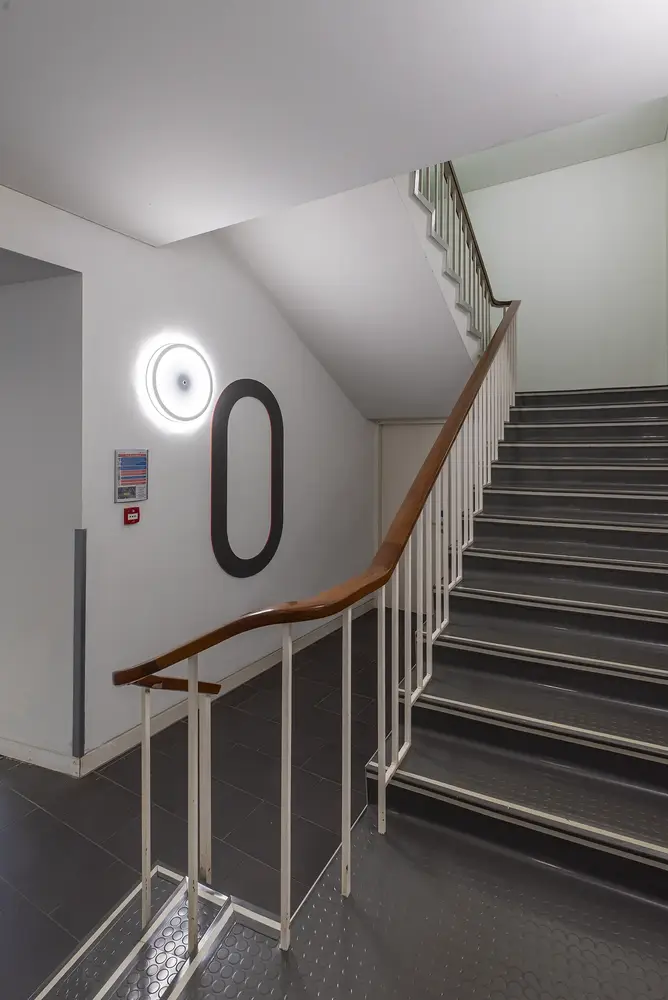
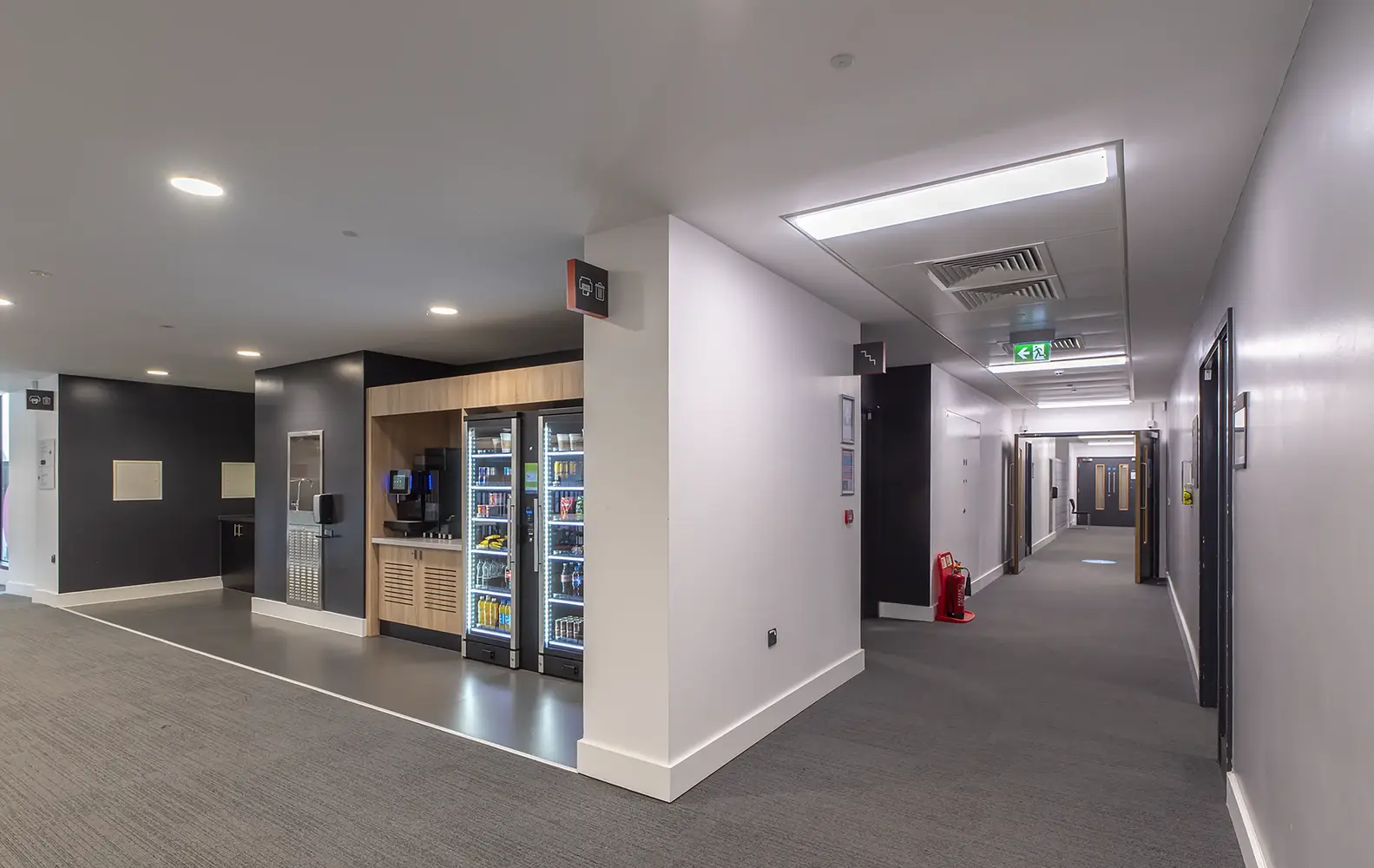
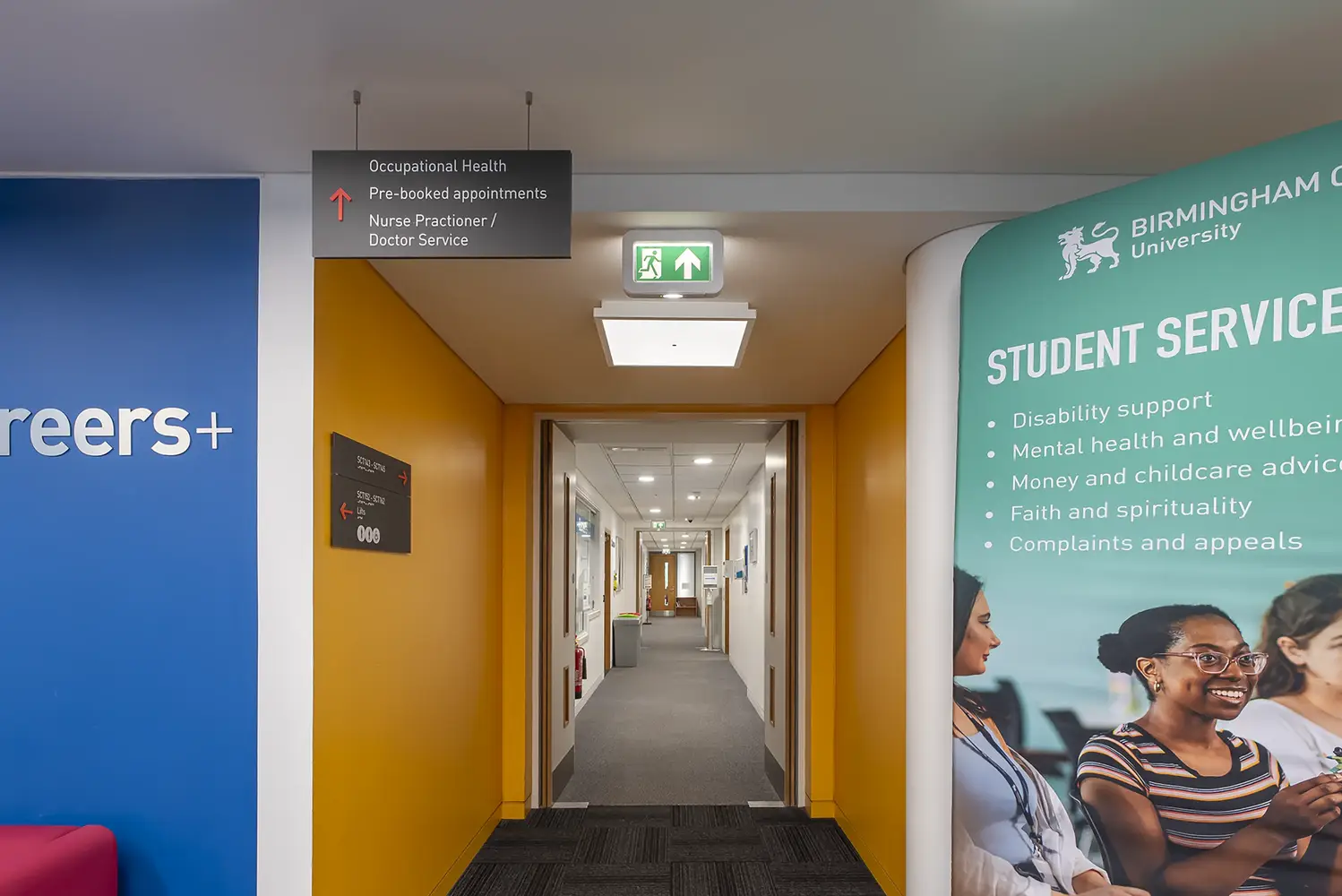
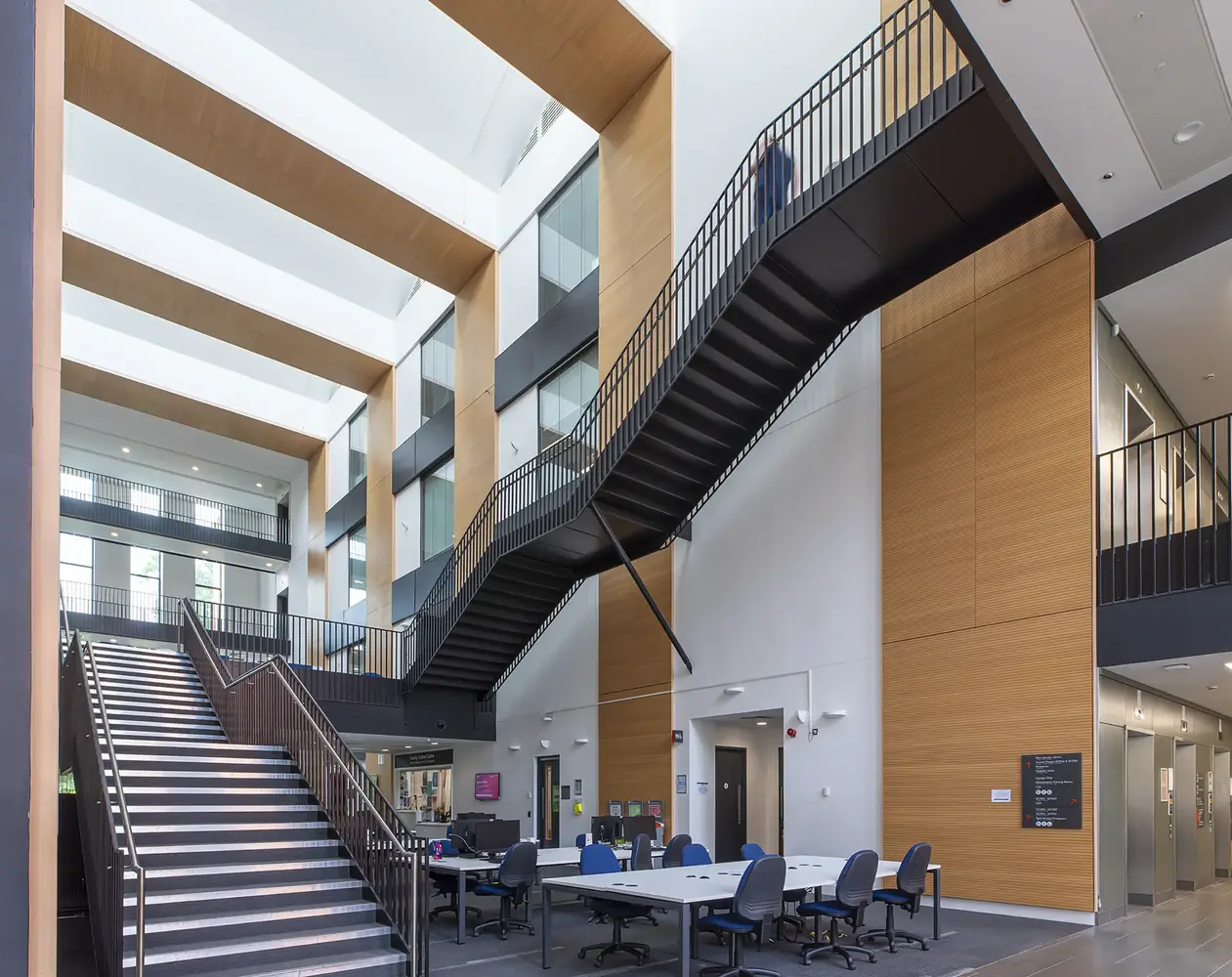
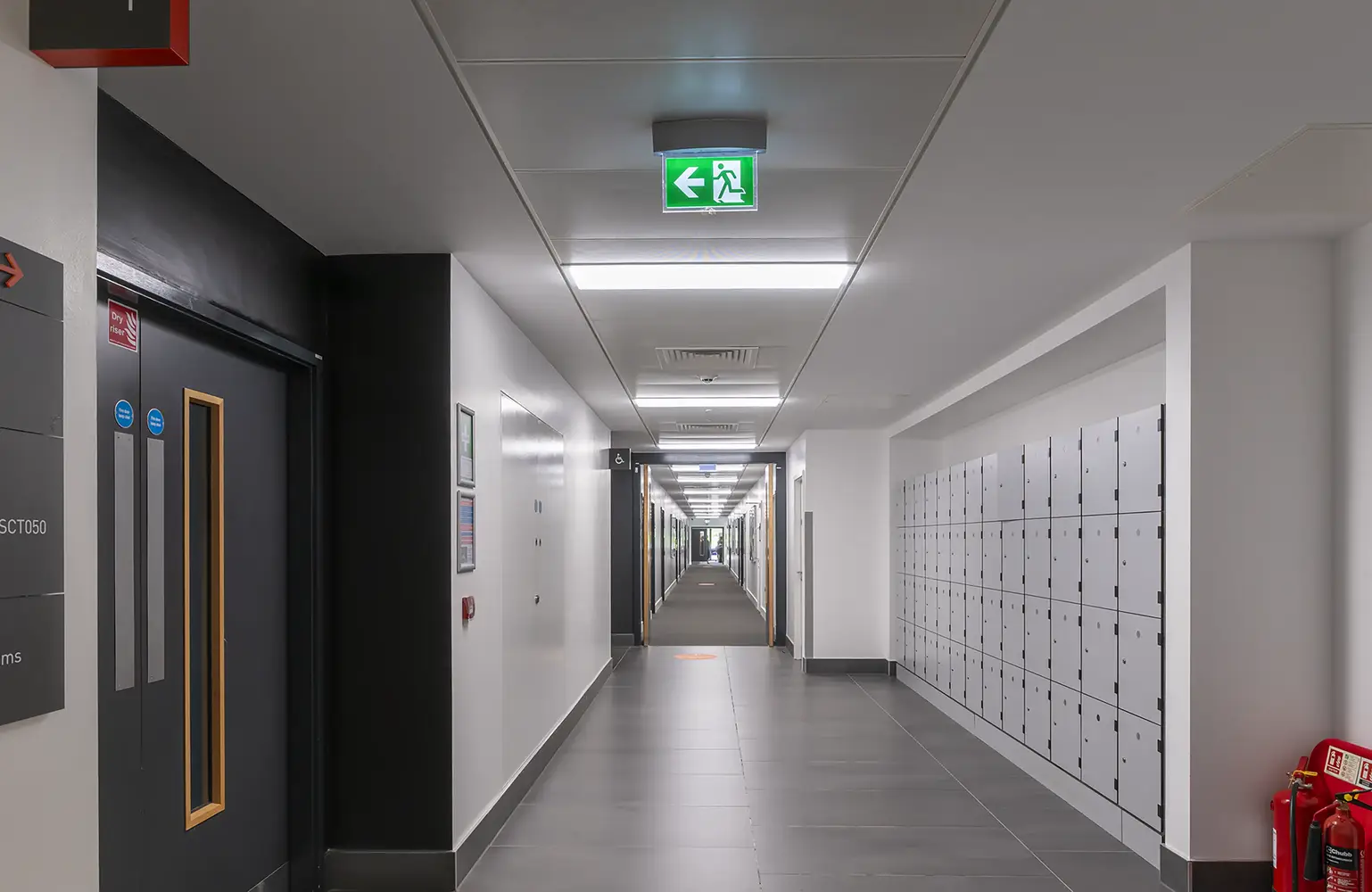
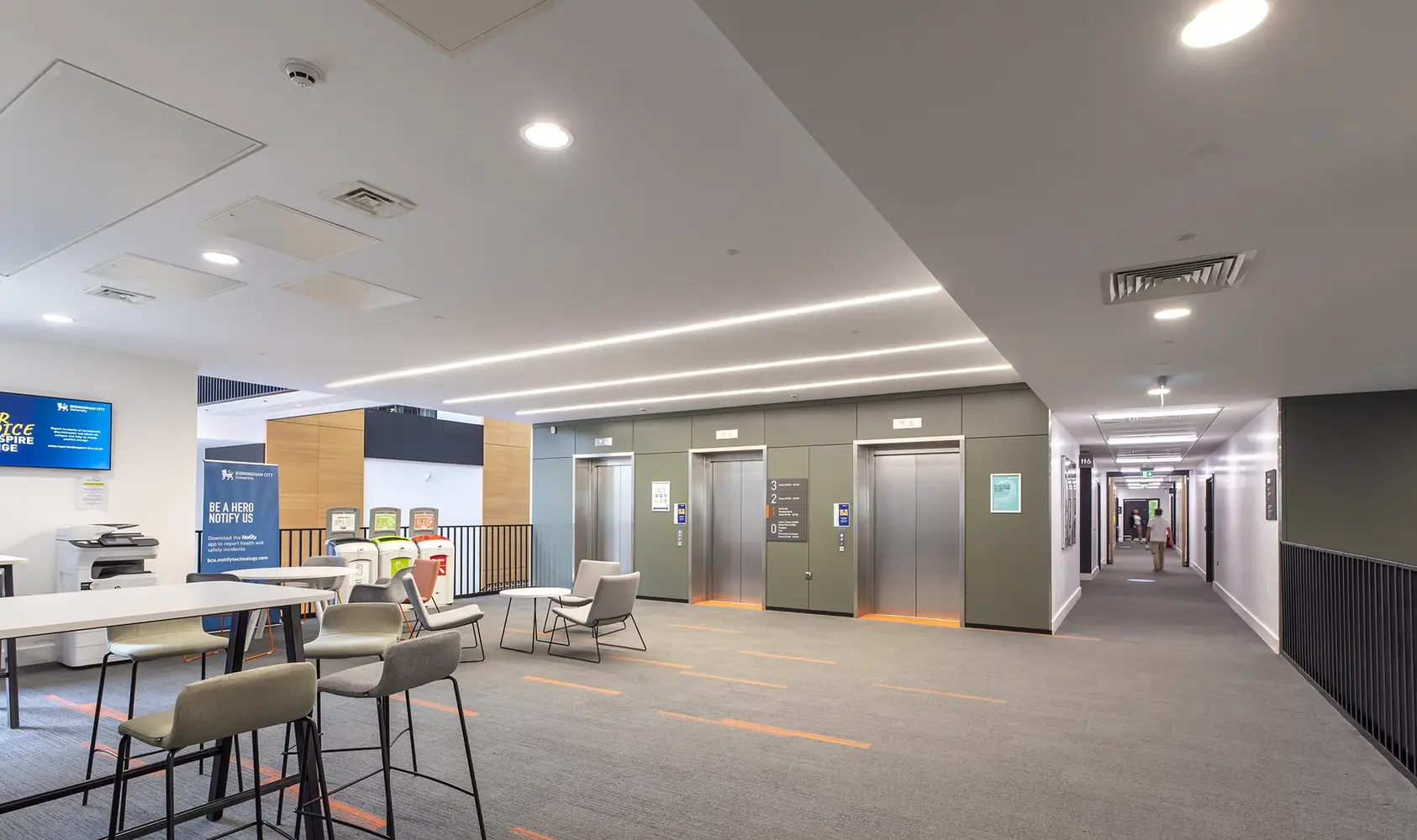
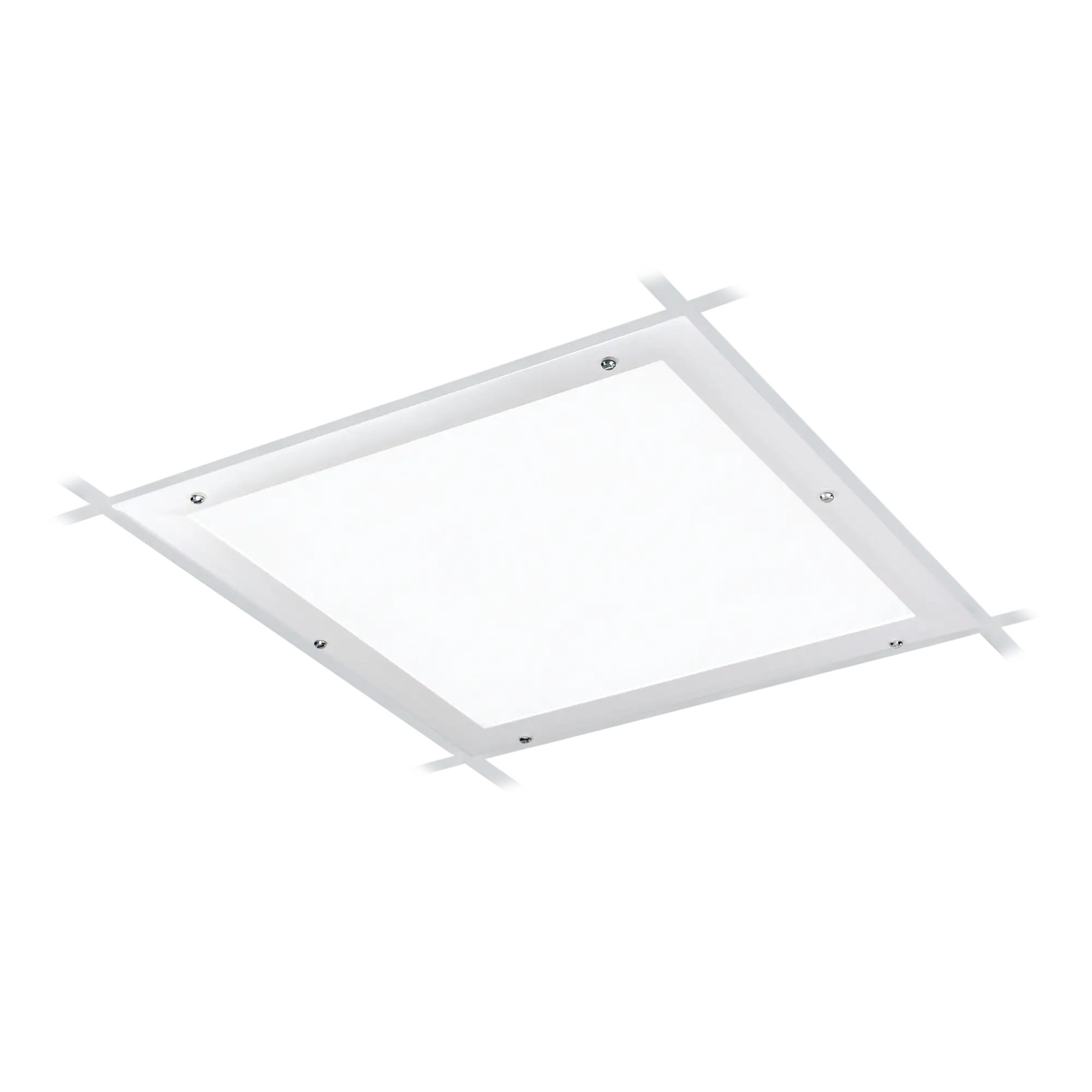
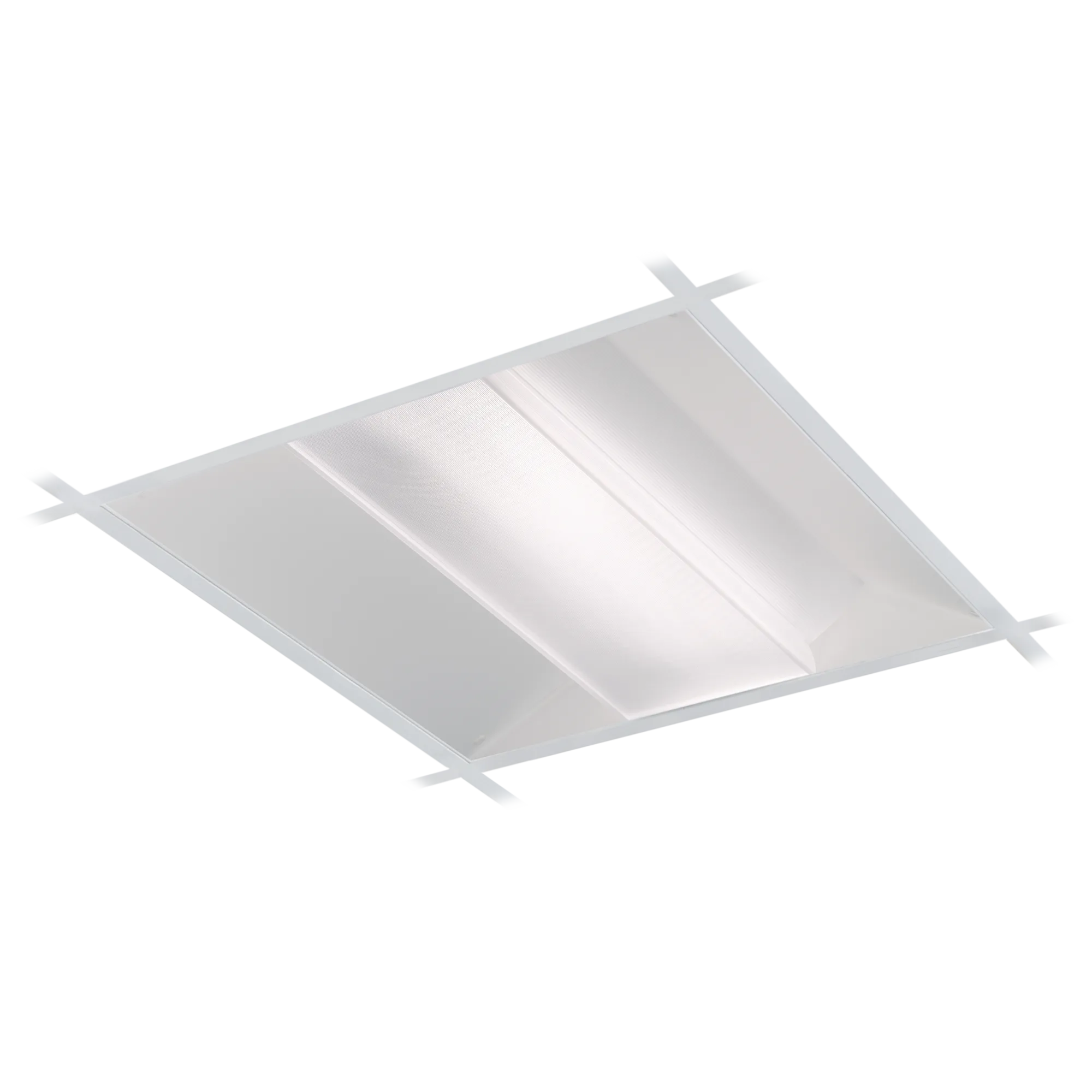
The older sections of the Seacole building were predominantly lit with old fluorescent 600x600 fittings across four floors. Thorlux predominantly upgraded these areas with modern Hi-Style LED luminaires, now controlled by the SmartScan Lighting management system. The replacements were completed on a point-for-point basis, but with updated layouts as necessary to meet British Standards requirements and the current use of the spaces.
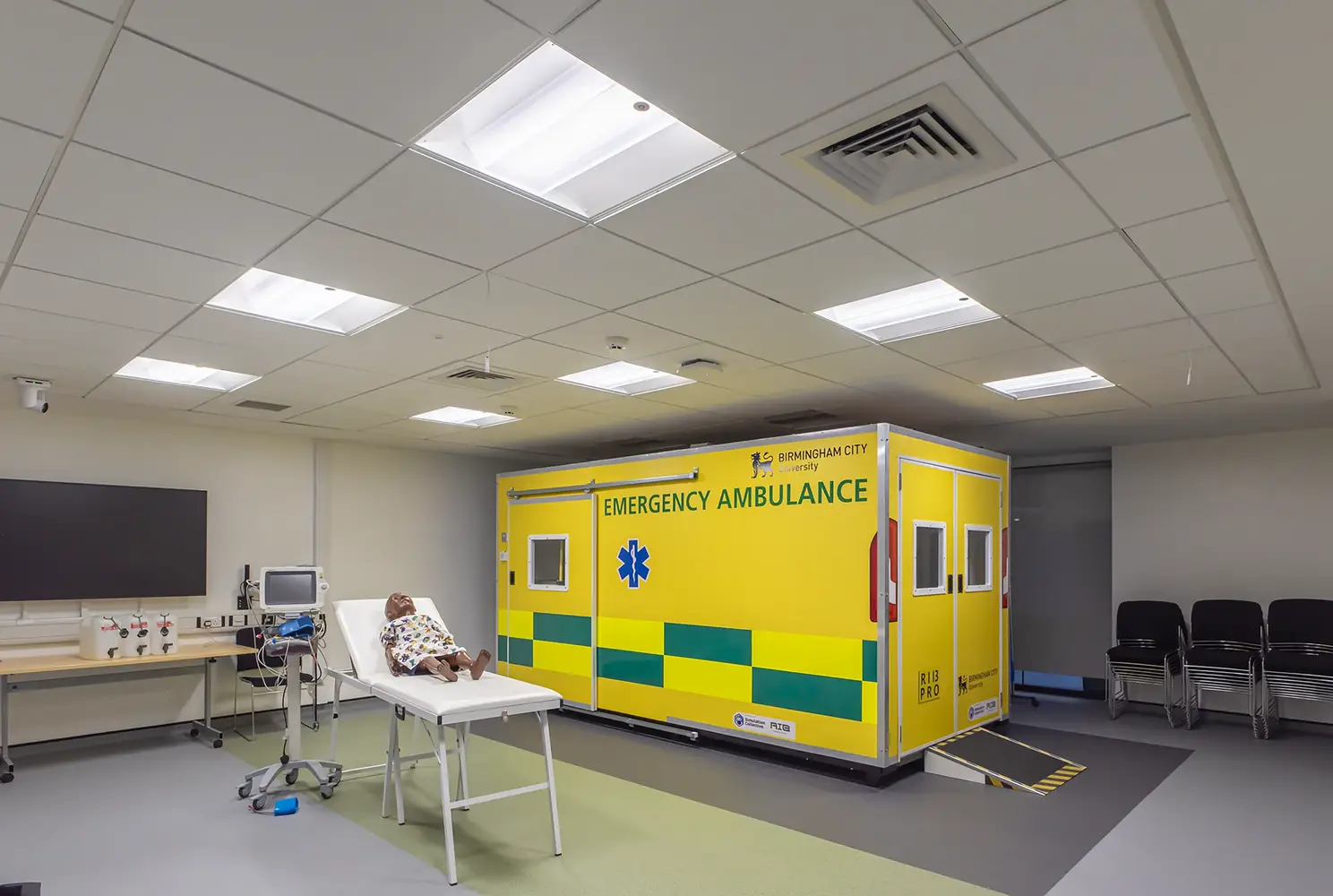
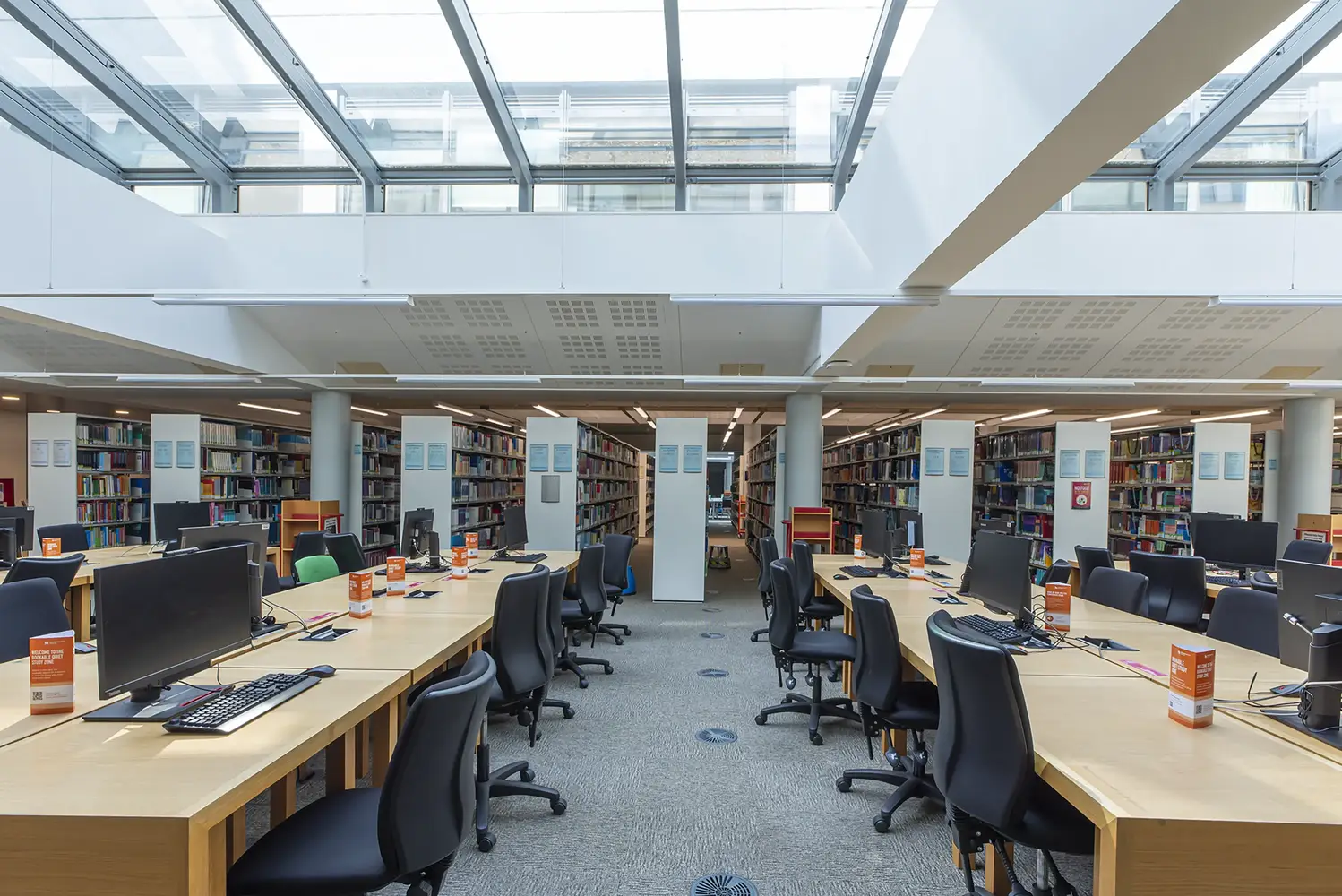
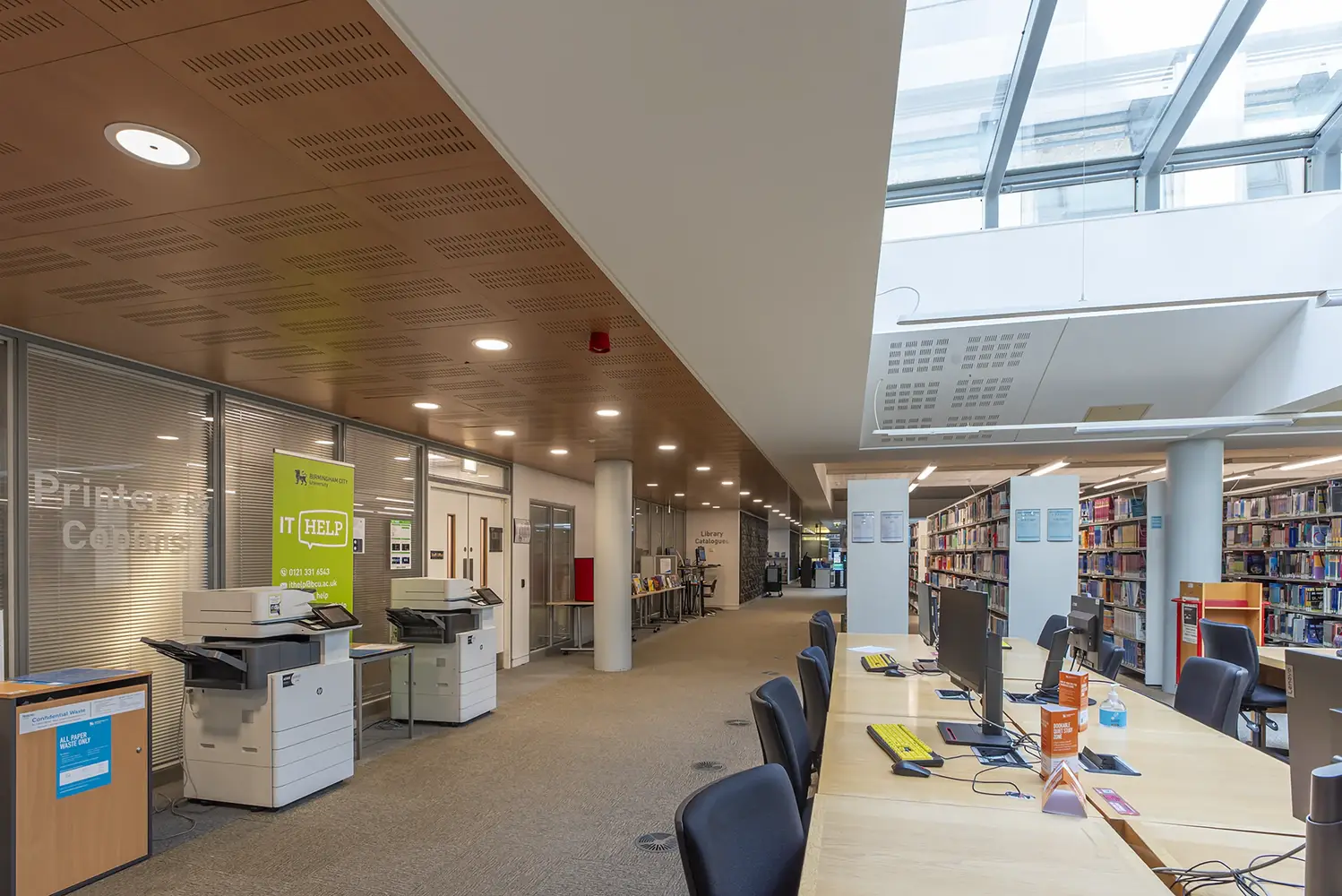
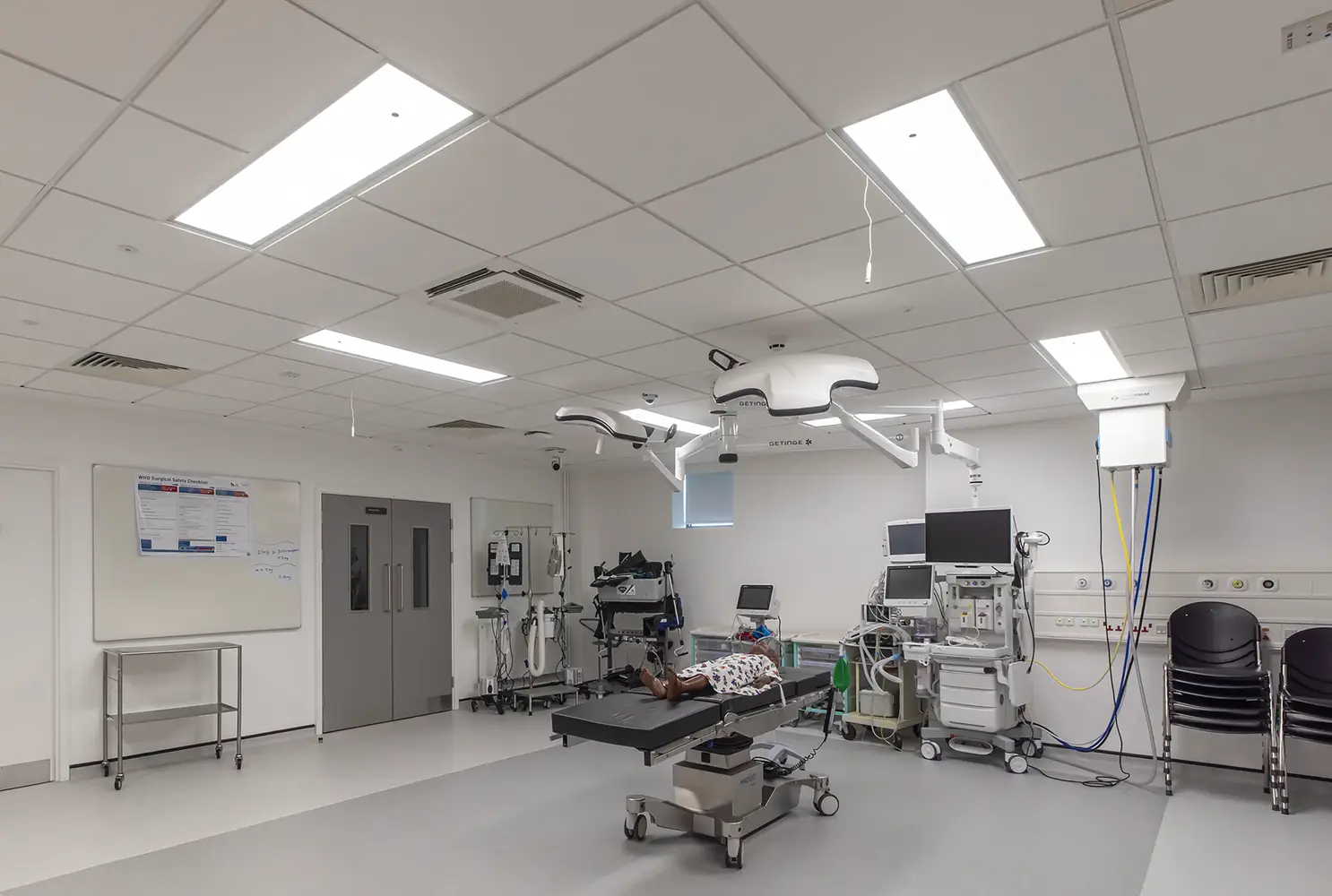
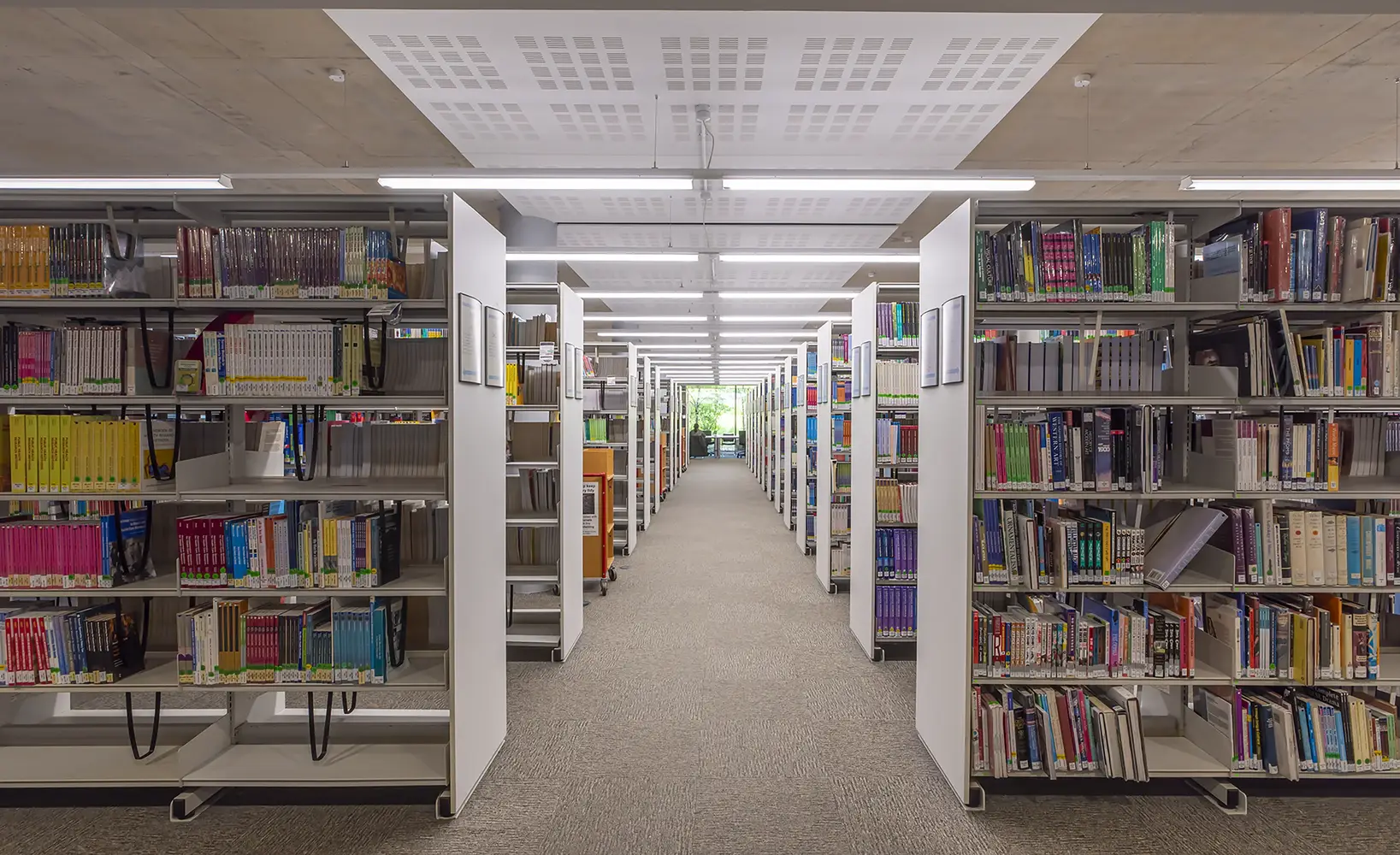
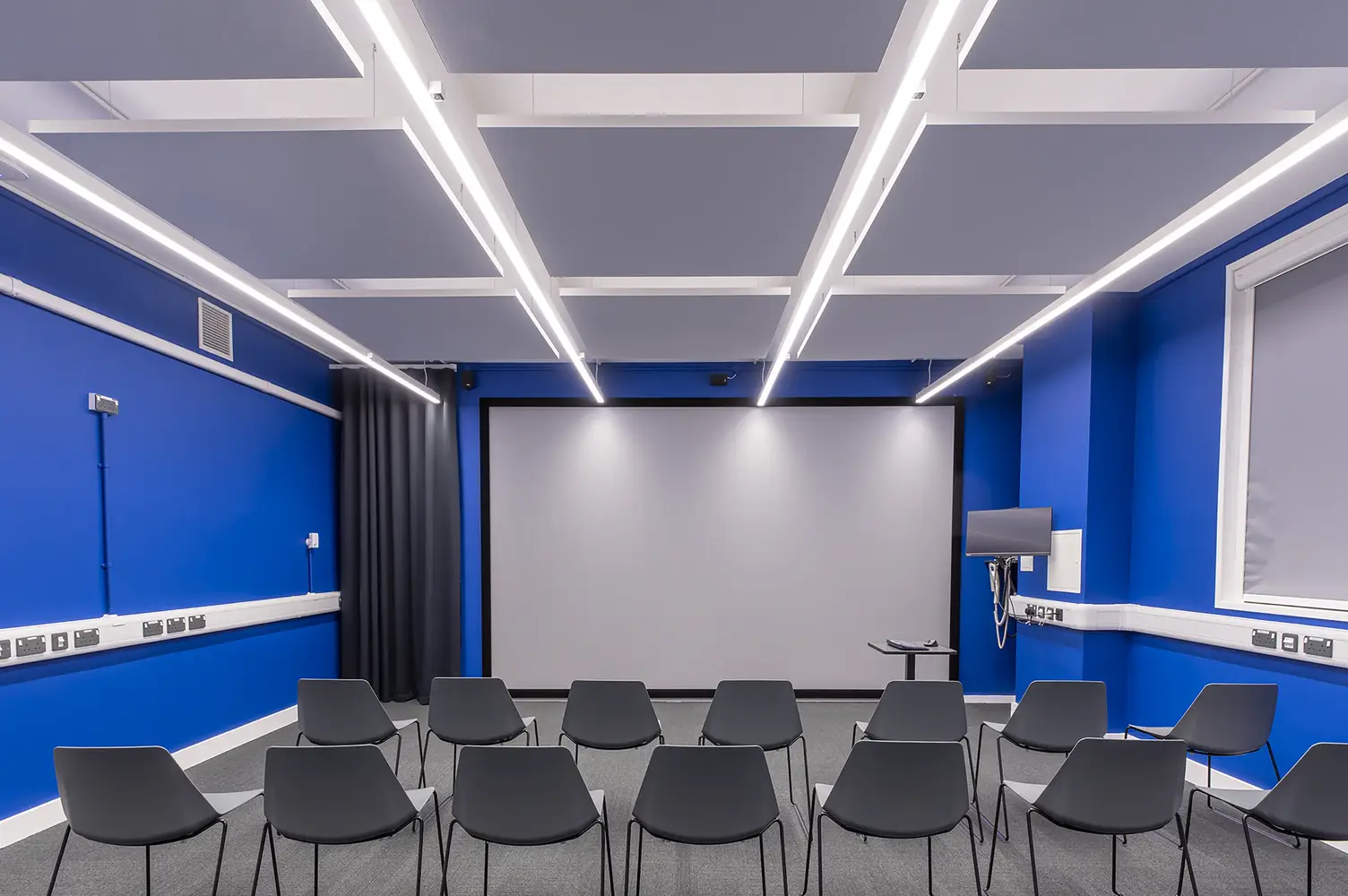
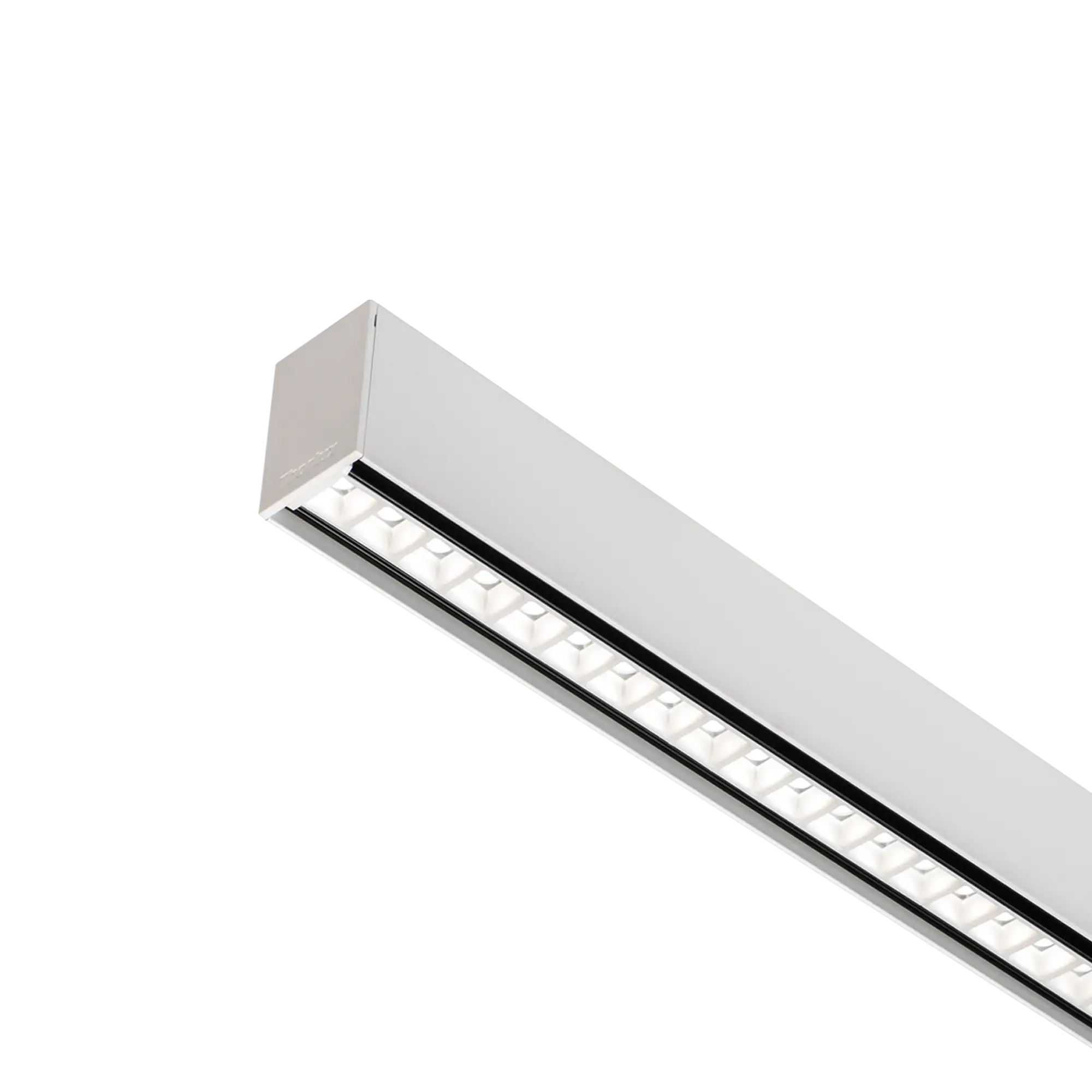
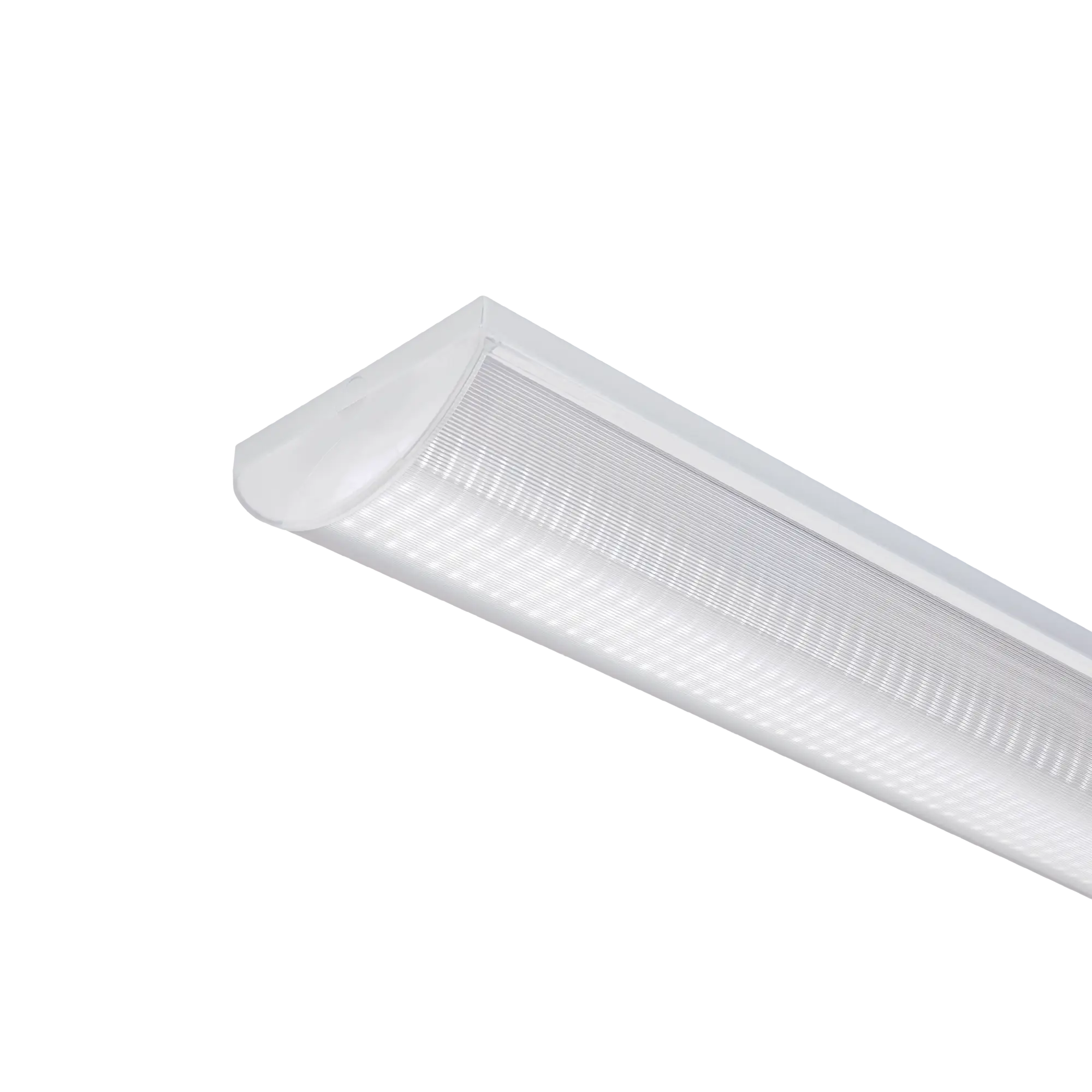
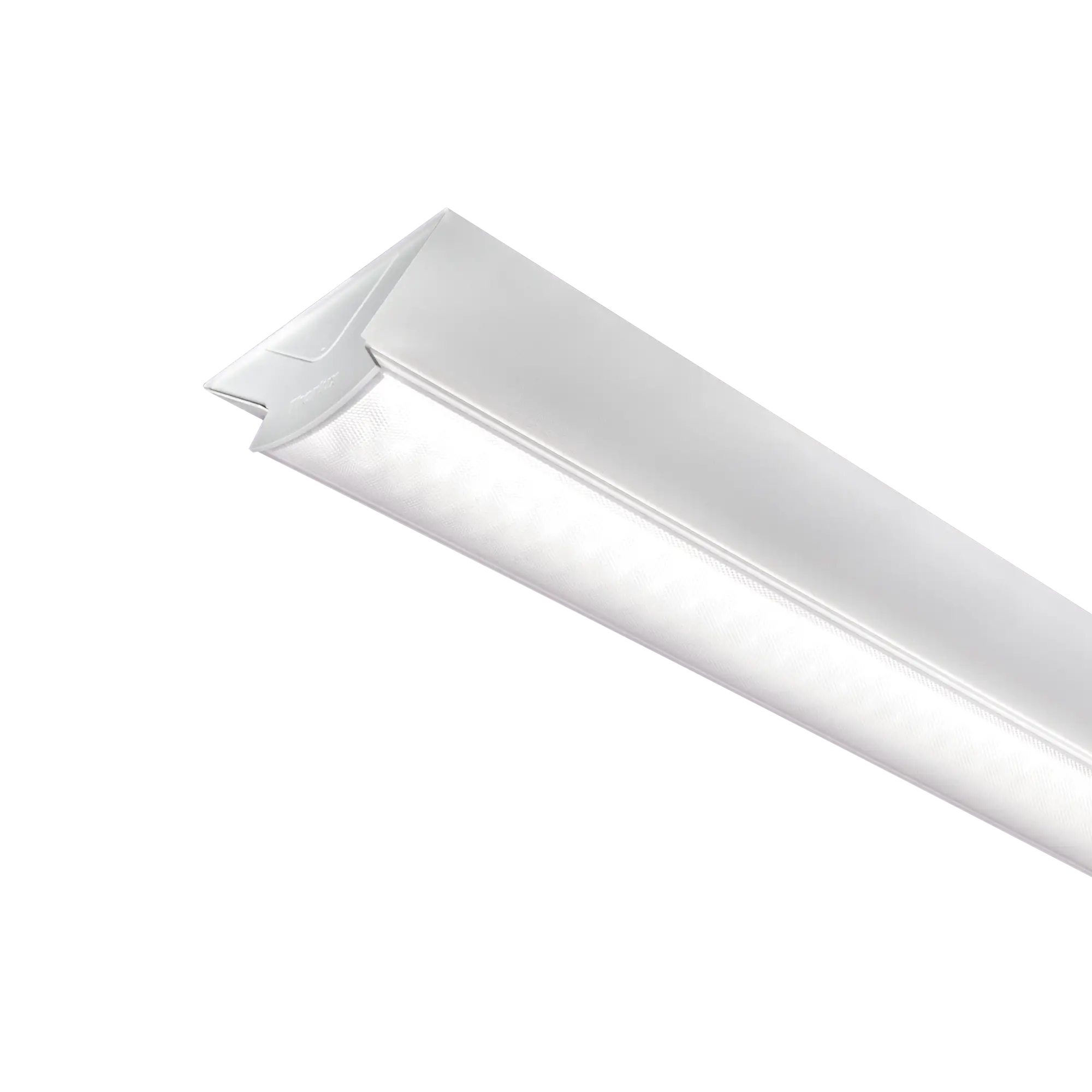
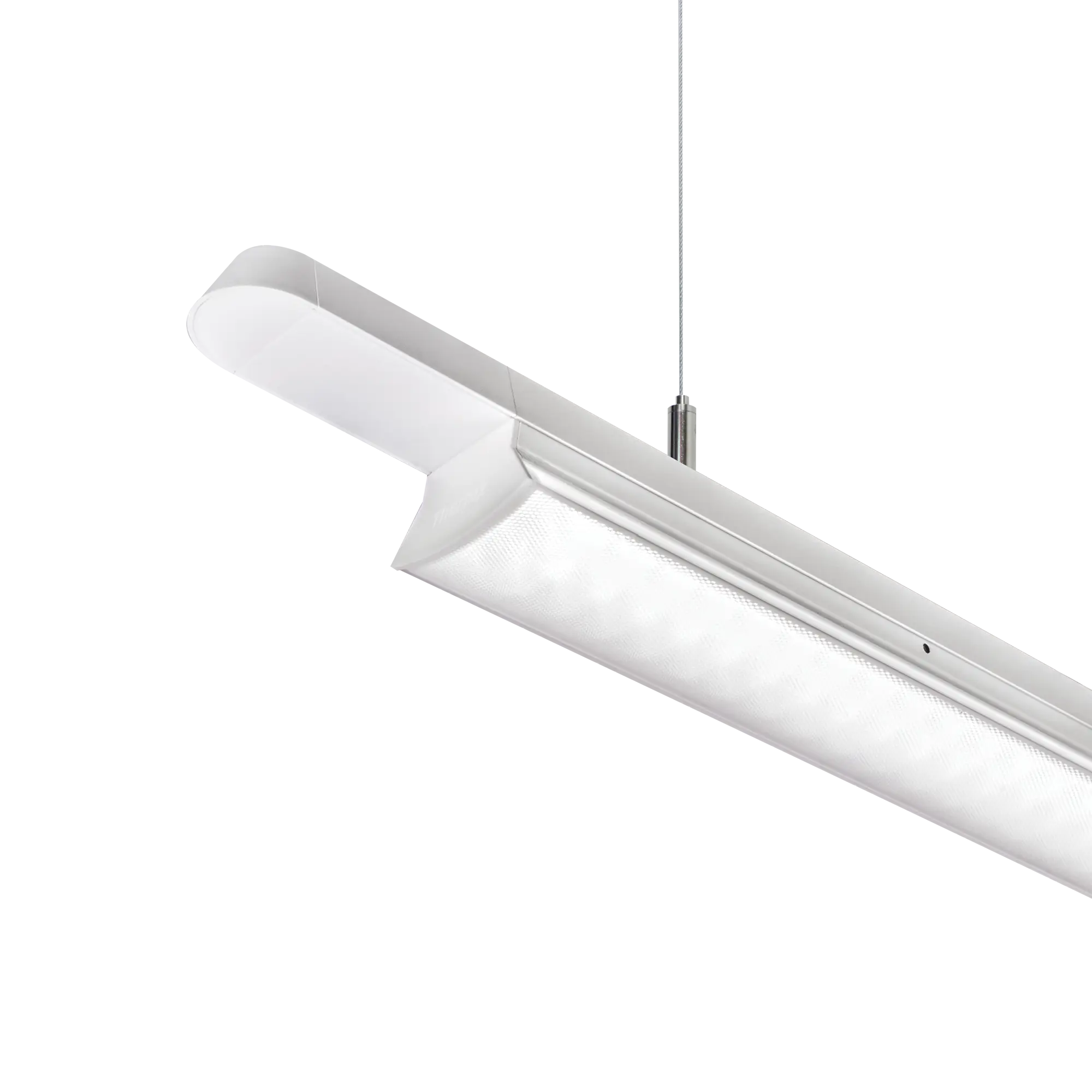
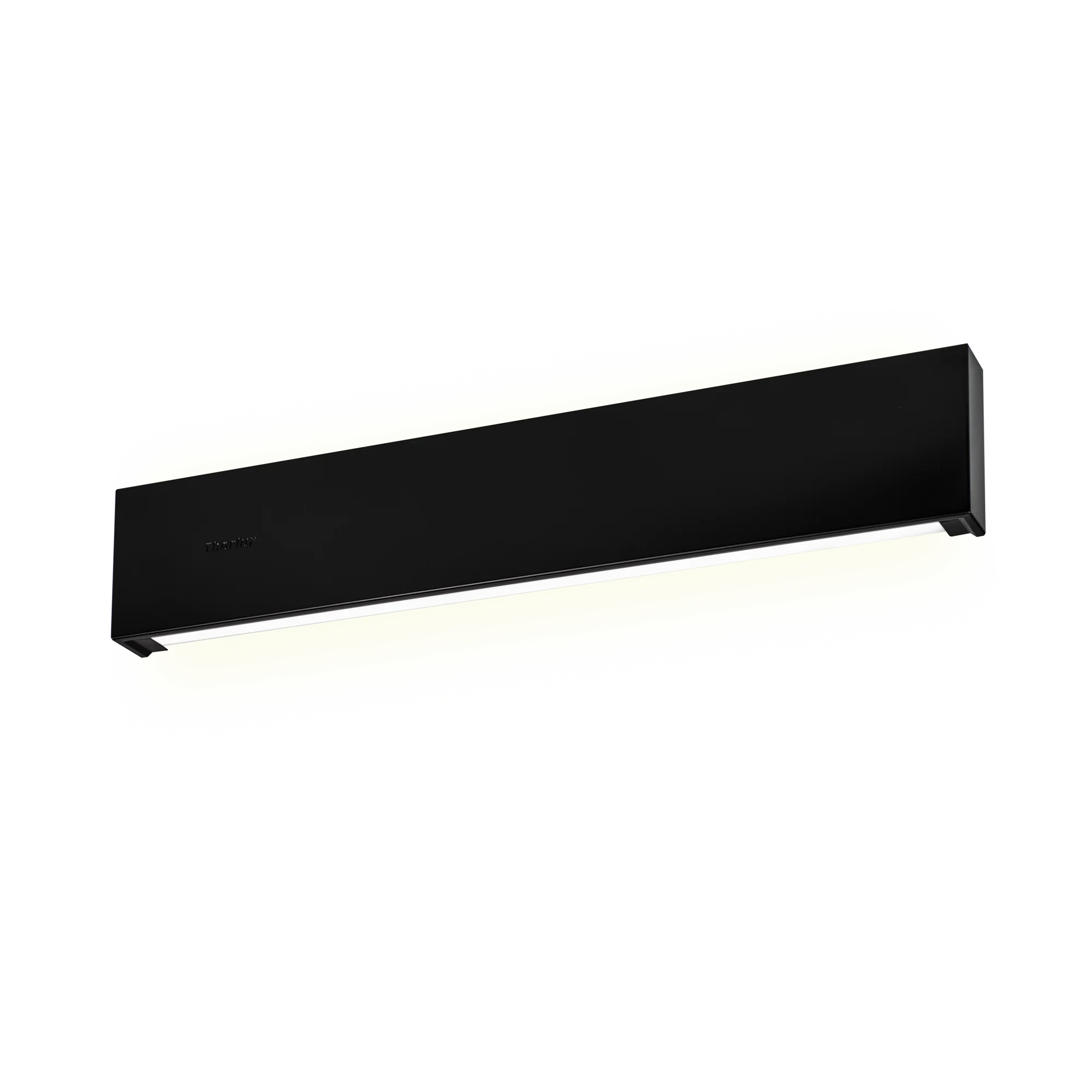
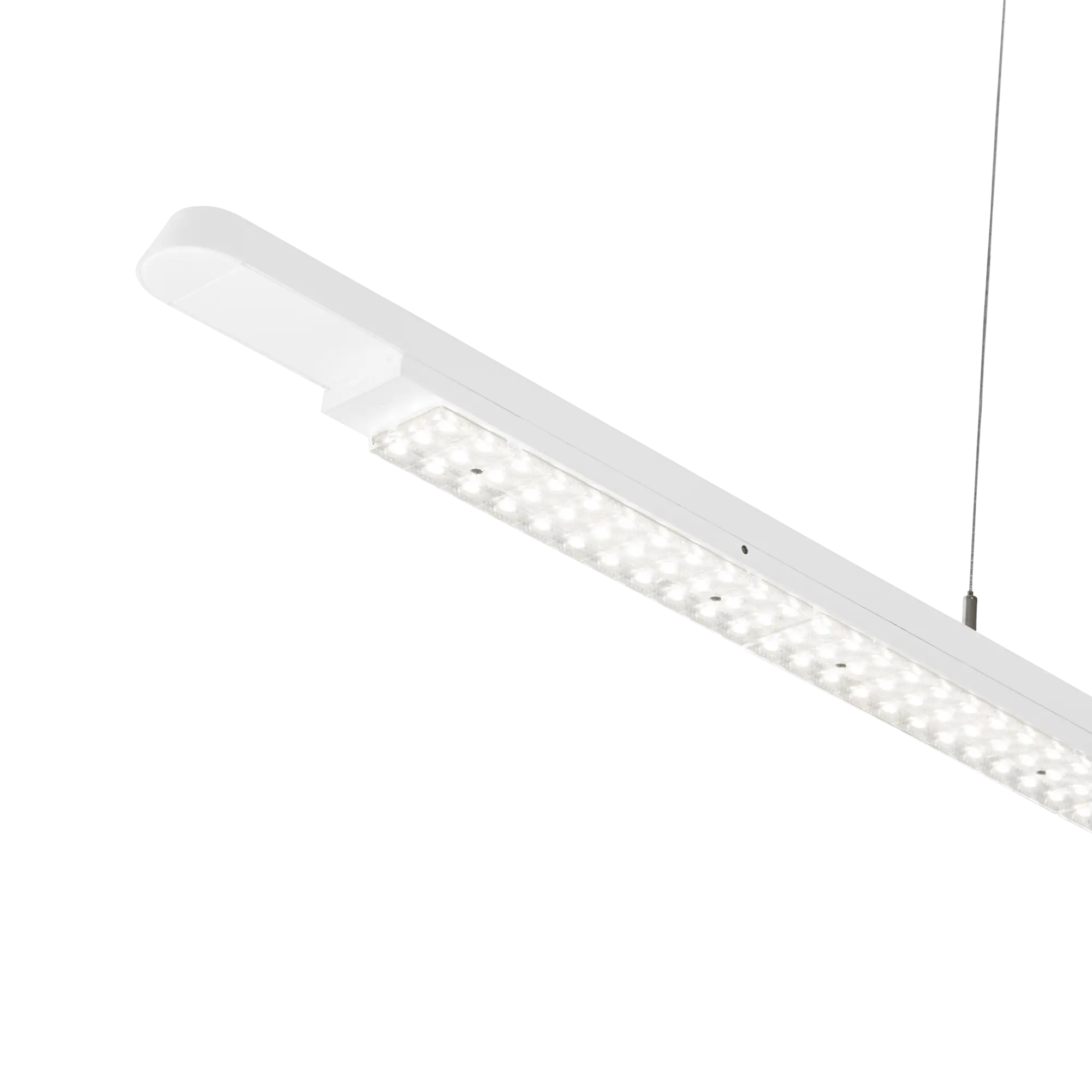
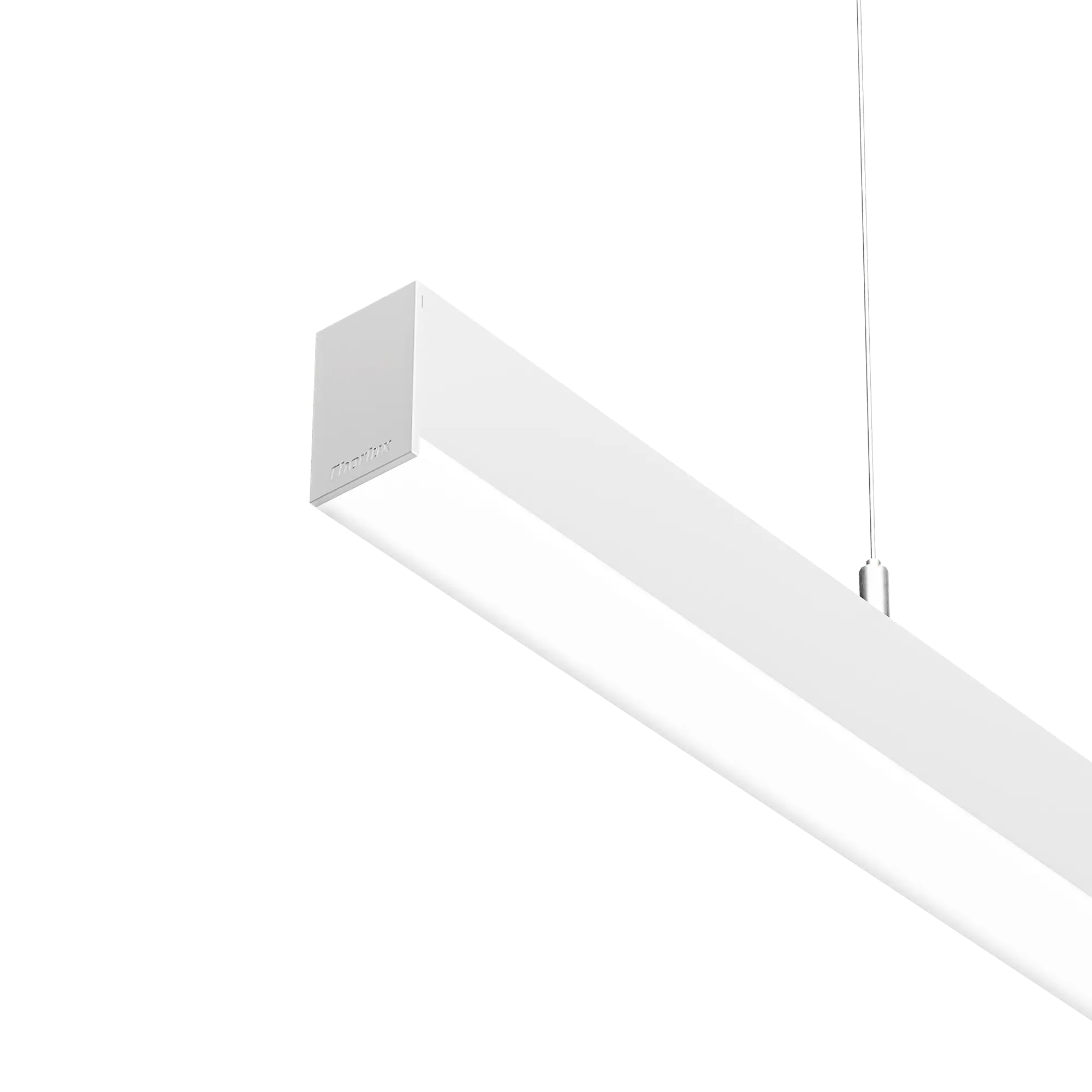
Key applications throughout the rest of the building include the use of suspended track-mounted Kanby Zip luminaires in the library to ensure good levels of vertical illumination on the book racks (essential for comfortable browsing); linear Flexbar Diffuser luminaires drawing attention to the front of presentation and lecture spaces; and high-CRI, cool illumination with Radiance luminaires in the simulated ward spaces, as would be found in a real hospital.
The addition of the wireless SmartScan lighting management system throughout the building offers managers several advantages. Each connected luminaire features an integrated sensor that controls light output based on ambient light and area occupancy.
This information is uploaded to the password-protected SmartScan web platform, where it can be used to interpret occupancy and usage patterns throughout the building. This includes analysing energy consumption and highlighting maintenance requirements. In this way, SmartScan is becoming an invaluable site management tool for the University.
89 %
Energy saving

Similar projects

Birmingham City University - Phase One
Awel y Môr Primary School